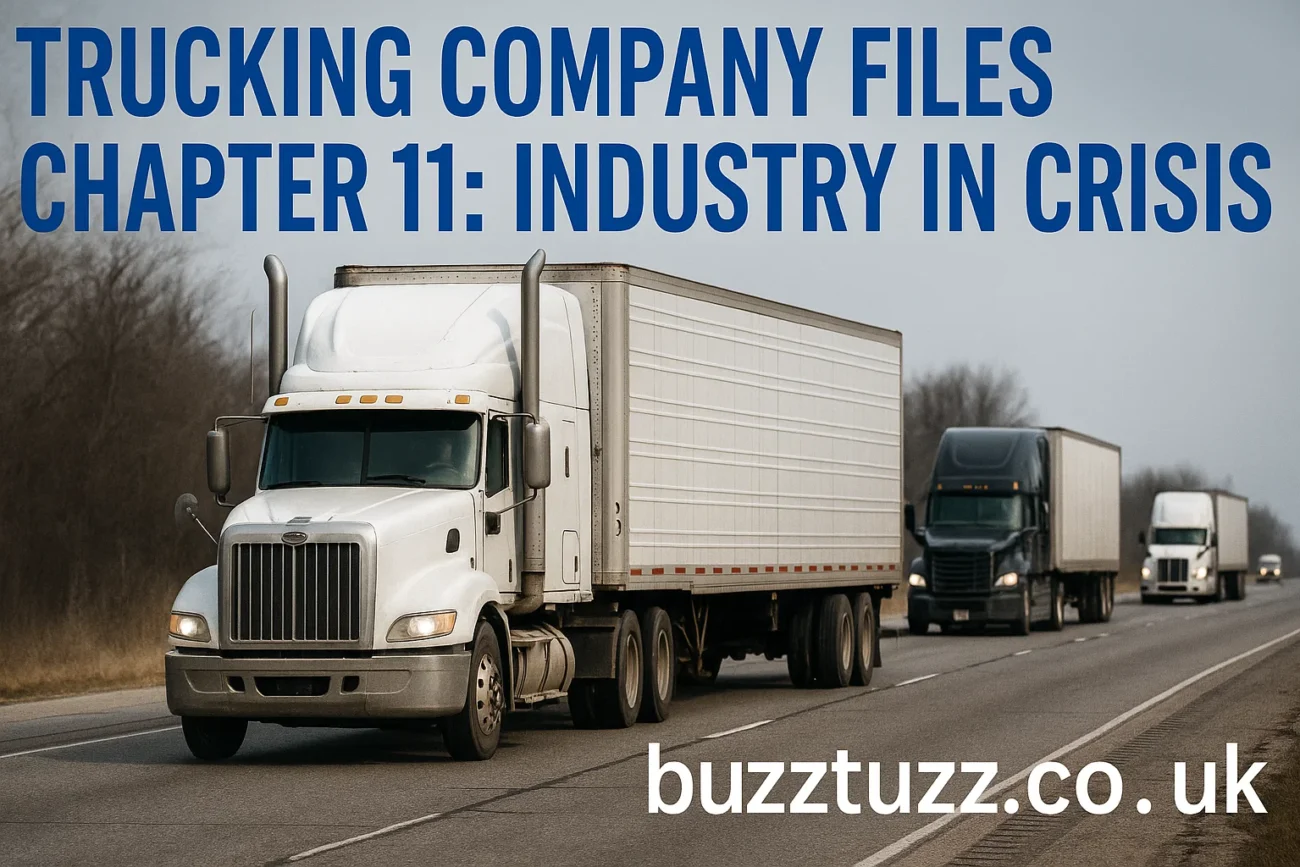
The U.S. trucking industry, a foundational pillar of the American economy, is encountering a financial crisis of historic proportions. In 2025, a significant number of trucking companies have filed for Chapter 11 bankruptcy, a legal mechanism that allows them to restructure while continuing operations. This surge in bankruptcies raises red flags across the logistics and freight sectors, threatening supply chains and jobs nationwide. This article provides a deep dive into what Chapter 11 bankruptcy entails, analyzes the key factors behind these filings, highlights notable cases, and explores the implications for the trucking industry and the broader economy.
What is Chapter 11 Bankruptcy?
Chapter 11 bankruptcy is a legal process that allows businesses to reorganize their financial obligations under court supervision. Unlike Chapter 7 bankruptcy, which mandates liquidation of assets, Chapter 11 offers struggling companies a chance to stay in business while repaying creditors over time. For trucking companies, this can mean:
- Renegotiating lease agreements on trucks and equipment
- Downsizing operations or laying off workers
- Seeking new capital investments or partnerships
Although this option provides breathing room, it also signals severe underlying financial distress.
Why Are So Many Trucking Companies Filing for Chapter 11 in 2025?
A combination of macroeconomic pressures and industry-specific challenges have led to a spike in bankruptcy filings:
1. Economic Downturn
The tailwinds of the COVID-19 pandemic and subsequent inflation have slowed consumer demand and disrupted freight volumes. Economic uncertainty has pushed many companies to the edge.
2. Rising Fuel and Operational Costs
Increased diesel prices, escalating maintenance costs, and high insurance premiums have eroded profit margins across the industry.
3. Driver Shortage and Labor Issues
A chronic shortage of qualified drivers has forced companies to raise wages and recruitment costs, adding further pressure.
4. Regulatory Hurdles
Compliance with updated emissions standards, electronic logging devices (ELDs), and new Department of Transportation (DOT) requirements has added operational complexity and expense.
5. Falling Freight Rates
After a pandemic-era boom, freight rates have normalized or even dropped, particularly in the spot market. Many carriers built infrastructure around inflated rates and now face unsustainable overheads.
High-Profile Trucking Company Chapter 11 Filings in 2025
The financial crisis has not spared even seasoned carriers. Here are some of the most notable bankruptcy filings:
Flame Freight
In January 2025, Flame Freight filed for Chapter 11 after a devastating $32 million arbitration award to a former partner. The company blamed its situation on the so-called “Great Freight Recession.”
Turk Transportation
Based in Pennsylvania, Turk Transportation filed for Chapter 11 in February 2025 following a lawsuit from a factoring firm attempting to recover $5 million in outstanding debt. The case highlighted how reliance on third-party financing can exacerbate financial troubles.
Balkan Express
This Fort Worth-based company, along with its brokerage affiliate, sought Chapter 11 protection in April 2025. With debts exceeding $25 million, Balkan Express is a stark example of how even long-established businesses (founded in 2007) are vulnerable to current market conditions.
Elite Carriers and ECI Inc.
In May 2025, Wisconsin’s Elite Carriers and its affiliate ECI Inc. filed jointly for Chapter 11. Their filing shows the interconnected nature of asset-based carriers and brokerages, where financial strain on one arm often affects the other.
Impact on the Broader Trucking Industry
The surge in Chapter 11 filings is reshaping the industry in several critical ways:
1. Industry Consolidation
Larger carriers are absorbing smaller, financially distressed competitors. While this may streamline operations, it reduces market diversity and increases risk concentration.
2. Service Disruptions
Companies undergoing restructuring may cut routes or reduce coverage, affecting delivery reliability and supply chain continuity.
3. Driver Layoffs
Bankruptcy often leads to furloughs or permanent layoffs. Given the driver shortage, this paradoxically reduces labor supply while simultaneously increasing unemployment among experienced drivers.
4. Equipment Surplus
Firms that downsize or liquidate assets contribute to a flooded used truck market, potentially reducing resale values and affecting leasing companies.
5. Investor Skepticism
As more companies falter, investors may grow wary of funding logistics startups or small carriers, further tightening capital availability.
How Chapter 11 Affects Shippers and the Supply Chain
Retailers, manufacturers, and agricultural producers who rely on steady freight movement are directly affected. When a carrier files for Chapter 11:
- Contracts may be renegotiated or terminated
- Freight delays may occur due to operational adjustments
- Rates could temporarily rise due to tightened capacity
Shippers must now vet carrier financial health as part of their risk management strategy, adding complexity to logistics planning.
What Trucking Companies Can Do to Survive
To weather this financial storm, trucking companies need to proactively manage risk:
- Diversify Revenue Streams: Offer logistics consulting, warehousing, or dedicated services.
- Leverage Technology: Use telematics and route optimization to cut fuel costs.
- Improve Cash Flow Management: Reduce reliance on factoring and negotiate better payment terms with clients.
- Invest in Retention: A stable workforce reduces hiring costs and improves service.
- Form Strategic Partnerships: Collaborate with shippers and 3PLs for consistent freight lanes.
Government and Regulatory Response
There is increasing pressure on federal regulators and industry bodies to support the struggling sector. Proposed interventions include:
- Fuel subsidies or tax breaks for essential carriers
- Grants for transitioning to greener fleets
- Workforce development initiatives to train and retain drivers
While these measures could provide temporary relief, long-term sustainability will depend on systemic reforms.
Future Outlook: Is Recovery Possible?
The trucking industry has shown remarkable resilience in past downturns. While the Chapter 11 wave in 2025 is alarming, it may also catalyze necessary change. Companies that emerge from bankruptcy leaner and more efficient may become more competitive in the long run.
Experts forecast that:
- Freight volumes will stabilize by mid-2026
- Insurance premiums may plateau as carriers adopt safety technologies
- The rise of autonomous trucks and electrification will redefine operational models
Innovation, coupled with prudent financial management, will be the key to recovery.
Conclusion
The increase in trucking company Chapter 11 filings in 2025 reflects an industry under extreme pressure. From macroeconomic headwinds to micro-level inefficiencies, the sector is navigating a perfect storm. However, with the right strategies, regulatory support, and investment in innovation, recovery is not only possible but likely.
For shippers, investors, and industry professionals, now is the time to monitor carrier health closely, prioritize partnerships with financially sound operators, and advocate for reforms that ensure long-term viability.
Stay informed and subscribe to our logistics industry newsletter to get expert analysis and insights delivered weekly.
