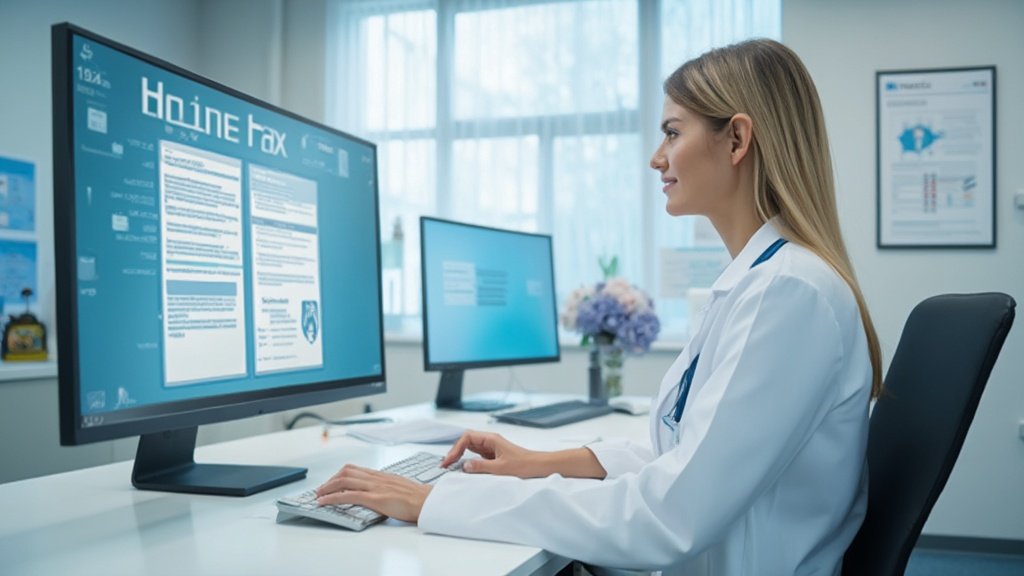
As electronic communication continues to play a critical role in healthcare operations, the importance of secure and compliant faxing practices cannot be overstated. The Health Insurance Portability and Accountability Act (HIPAA) sets stringent standards for the handling of protected health information (PHI), and non-compliance can lead to severe penalties. Safe-guarding PHI during fax transmission is not just a legal obligation; it’s a testament to a healthcare provider’s commitment to privacy and security. Below, we explore the best practices for secure HIPAA faxing to ensure compliance and confidentiality in your healthcare communication.Dowsstrike2045 Python: The Cybersecurity Game-Changer
Understanding HIPAA Faxing Requirements
Regulated by HIPAA, faxing in the healthcare sector requires strict adherence to guidelines that protect patient information. Health care providers must ensure that every fax transmission containing PHI incorporates adequate security measures to prevent unauthorized access or disclosure. This entails understanding the various aspects of HIPAA’s Privacy and Security Rules that specifically apply to faxing.
For instance, HIPAA mandates that senders must verify the fax number and the recipient before transmitting PHI. Additionally, to meet compliance, fax coversheets should contain minimal information, ensuring that an inadvertent receiver does not gain access to sensitive details. Senders must also obtain assurances that PHI will be handled appropriately upon receipt.
To further solidify an organization’s commitment to compliance, employing secure HIPAA faxing practices is essential. Upland’s InterFAX is the ideal solution for organizations seeking secure and compliant faxing. These practices include training staff, securing fax lines, and ensuring that all communication protocols align with the latest HIPAA regulations.
Implementing Access Controls for HIPAA Compliant Faxing
Access controls are a cornerstone of HIPAA’s security measures, ensuring that only authorized individuals can send and receive PHI via fax. User authentication protocols must be established, with unique user identifications for each employee who operates the fax machine. This restricts access and creates an audit trail for accountability.
Organizational policies should dictate who may access fax machines and under what circumstances. For example, coded lock systems or badge readers can be implemented to control physical access to rooms with fax machines. Within the faxing equipment itself, password protection or biometric scans can be used to secure the devices.
Maintaining a log of all fax transactions is another critical control mechanism. By recording the sender, recipient, date, and time of each transmission, organizations can track access and detect unusual patterns that may indicate a breach. It is also vital to ensure that these logs are reviewed and monitored regularly.
Leveraging Secure Fax Technology for Protected Health Information

Technological advancements have enabled more secure ways to fax PHI. Digital fax technology, for instance, eliminates many of the risks associated with traditional paper-based faxing by transiting documents directly to secure, encrypted inboxes. Encryption both in transit and at rest ensures that even if intercepted, the content remains unreadable to unauthorized parties.
Consider deploying internet-based fax solutions that adhere to high-security standards. These services typically offer end-to-end encryption, secure web interfaces, and automatic logging features for improved compliance. The ability to integrate with electronic health record systems also streamlines the workflow while maintaining a high level of security.
There are also secure fax servers that manage inbound and outbound faxes. They typically provide advanced functionality such as automatic routing to designated recipients, which minimizes handling and the associated risk of human error. Regular updates and patches for these servers are critical in maintaining their defensive capabilities against cyber threats.
Regular Training and Policy Updates in HIPAA Fax Security

Human error remains a significant challenge in HIPAA compliance; thus, regular employee training is imperative. Staff should be well-versed in the use and management of fax machines, understanding the sensitive nature of the information they handle. They should know the protocols for secure faxing and be trained to respond appropriately in the event of a suspected incident.
Training programs must extend beyond initial orientation to include ongoing education on new regulations and emerging threats. Refresher courses and continuing education initiatives serve to keep all employees up-to-date with the latest security practices. Moreover, they help ensure staff understand their responsibility in maintaining the privacy and security of PHI.
Organizations should also periodically review and update their HIPAA faxing policies. As technology and regulations evolve, so must the procedures and practices that ensure the secure handling of PHI. Policies should provide clear, step-by-step guidelines for faxing, including proper documentation, use of secure fax lines, and protocols for reporting and responding to breaches.
Secure HIPAA faxing is an essential aspect of any healthcare organization’s operations, requiring meticulous attention to compliance, technology, training, and auditing. Implementing best practices for faxing is not a one-time task but a continuous cycle of improvement. By establishing a comprehensive framework as outlined, healthcare providers can safeguard PHI, preserve patient trust, and steer clear of penalties for non-compliance.
