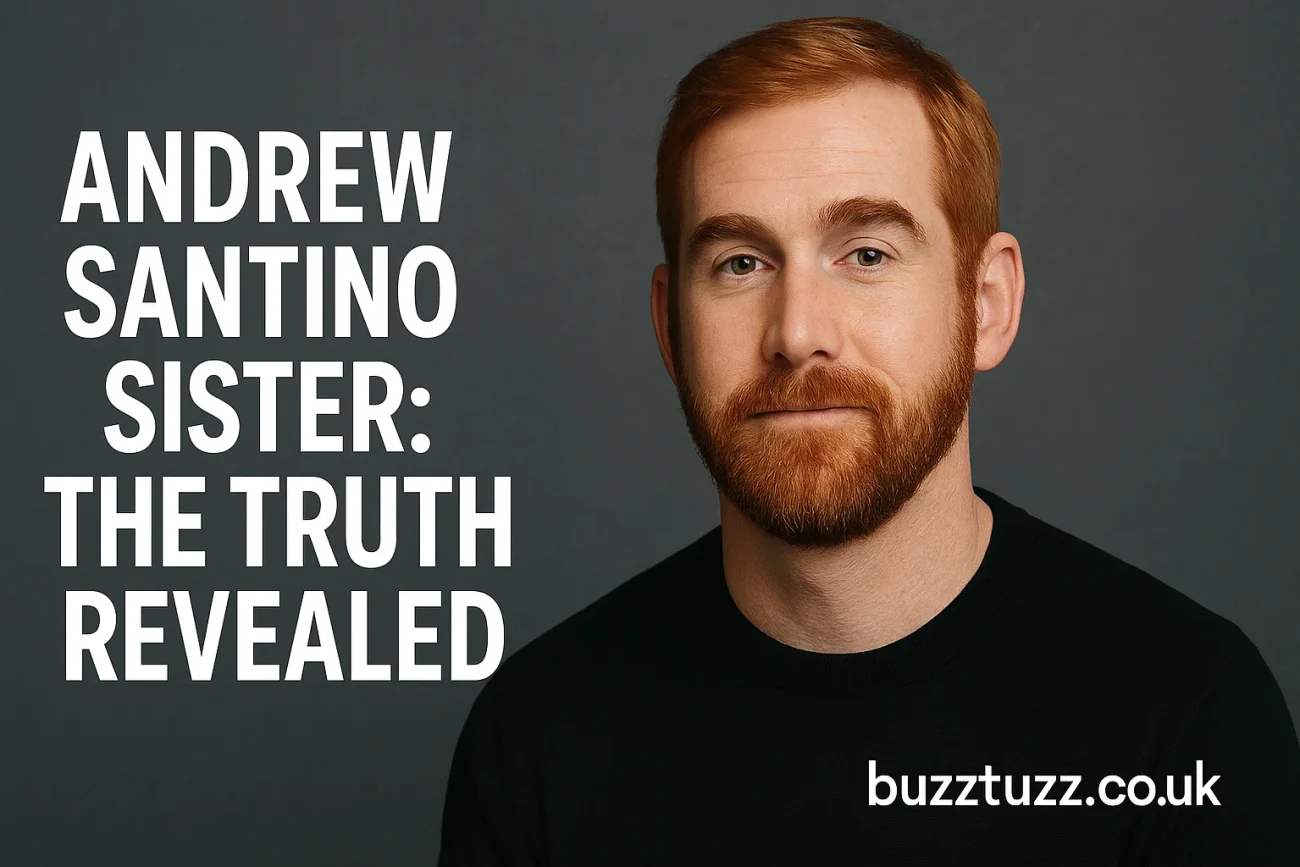
Andrew Santino, renowned for his sharp wit and roles in television series like Dave and I’m Dying Up Here, has captivated audiences with his comedic prowess. While his professional life is well-documented, there’s growing interest in his personal life, particularly concerning his sister, Ali Macofsky. This article delves into the life of Andrew Santino’s sister, exploring her journey in comedy, their familial bond, and the influence they’ve had on each other’s careers.
The Santino Family Background
Andrew Santino was born on October 16, 1983, in Chicago, Illinois, to Anthony Santino and Elizabeth Margulies. His father, Anthony, an Italian-American, worked at the Port of Chicago, while his mother, Elizabeth, raised Andrew as a single parent in the River North neighborhood. Growing up without siblings in some accounts, Andrew has often spoken about his isolated yet creative childhood, which shaped his comedic voice.
The mention of a sister has intrigued fans for years. Andrew has remained largely private about his family, which only fuels curiosity about any siblings, particularly his supposed sister, Ali Macofsky.
Who Is Andrew Santino’s Sister?
Ali Macofsky is an emerging talent in the stand-up comedy world. While there has been speculation online about her being Andrew Santino’s sister, there is no official confirmation of a biological relationship. Despite that, fans and followers have noted their collaborative energy and chemistry, especially during podcast appearances.
Ali has appeared on Santino’s hit podcast Whiskey Ginger, where the rapport between the two was evident. Their mutual respect and comedic timing have led many to believe that they are either related or share a deep personal friendship that resembles siblinghood.
Whether they are truly siblings or kindred spirits, their dynamic adds a fascinating layer to the conversation about family and mentorship in comedy.
Ali Macofsky’s Rise in Comedy
Ali Macofsky’s comedy career began in her early twenties. Her humor, often self-deprecating and observational, quickly gained traction in Los Angeles comedy clubs. Here are some milestones in her journey:
- Early Open Mics: Ali started performing at small venues around L.A., sharpening her voice and style.
- Radio Influence: She gained exposure on the Kevin & Bean Show on KROQ as “Little Ally.”
- Opening Acts: Ali has opened for big names like Joe Rogan, showcasing her credibility in the comedy scene.
- Podcast Appearances: Her appearances on podcasts like Whiskey Ginger and TigerBelly increased her visibility.
- Touring Comedian: She now headlines her own shows across the country.
Her comedy touches on real-life issues with a light-hearted lens, making her relatable to a wide demographic.
The Podcast Connection: Whiskey Ginger and Beyond
One of the primary reasons people associate Ali Macofsky with Andrew Santino is their podcast synergy. On Whiskey Ginger, their chemistry shines. In multiple episodes, their banter resembles that of long-time siblings — playful, teasing, but rooted in deep understanding.
While Andrew interviews many guests, few spark the kind of camaraderie and natural flow seen with Ali. This has led to viral clips and fan speculation, further fueling the “Andrew Santino sister” narrative.
Their shared comedic timing and anecdotal storytelling highlight their mutual influence, whether through family or close friendship.
Comedic Style: Comparing Andrew and Ali
Though both comedians, Andrew and Ali have unique styles that complement each other:
- Andrew Santino: Known for his sarcasm, satire, and fiery delivery. His background in improv gives his performances a spontaneous feel.
- Ali Macofsky: Her humor is softer but sharp, often focused on introspection, dating, and generational commentary.
Their stylistic differences might stem from different life experiences, but the overlap in themes — identity, societal absurdities, and family — bridges the comedic gap.
Rumors vs. Reality: Are They Really Siblings?
Here lies the core question: Is Ali Macofsky actually Andrew Santino’s sister?
The short answer? Likely not biologically.
There’s no public record or statement confirming a biological connection. However, the speculation may come from:
- Their frequent collaborations.
- Their similar hair color and facial features.
- Their comedic chemistry.
It’s possible they share a mentor-mentee relationship that has evolved into a sibling-like bond. In today’s media landscape, such connections often blur the line between familial and professional relationships.
The Power of Perceived Siblinghood in Entertainment
Even if not related by blood, the perceived siblinghood between Santino and Macofsky offers an example of how entertainment builds familial narratives. In comedy, where vulnerability is currency, connections — real or perceived — can enhance authenticity and audience connection.
The idea of them being siblings adds:
- Emotional Narrative: Fans love a good backstory.
- Marketing Advantage: Familial ties often draw attention.
- Creative Chemistry: Viewers enjoy watching two people who clearly understand each other’s rhythms.
Ali Macofsky on Her Own Terms
While much of the buzz around Ali involves her connection to Santino, she’s carving a solid path independently:
- She’s performed at major festivals like Just For Laughs.
- Her social media following continues to grow.
- She has her own podcast, Resting Bitch, where she dives into personal narratives and quirky observations.
Ali represents the new wave of comedians who blend podcast culture, stand-up, and digital content to build an authentic brand.
Andrew Santino’s Influence on Emerging Comedians
Andrew Santino has become more than just a stand-up; he’s a podcast host, actor, and mentor. His openness to collaborating with rising stars like Ali Macofsky demonstrates his influence in the comedy ecosystem.
Through Whiskey Ginger and other platforms, Santino elevates new voices, often engaging them in honest, vulnerable, and hilarious dialogue. This mentorship role may be why many view his dynamic with Ali as familial.
Audience Perception and the Role of Social Media
Much of the “sister” narrative likely stems from audience perception amplified by social media. In an age where parasocial relationships drive engagement, it’s easy for fans to project narratives onto personalities.
Posts featuring Andrew and Ali together, shared podcast episodes, and clips with sibling-like banter naturally lend themselves to speculation.
This phenomenon isn’t unique. Similar cases have occurred with other entertainers, where close collaborators are mistaken for siblings or partners due to their public interactions.
Final Thoughts: Why the Narrative Matters
Whether Andrew Santino and Ali Macofsky are siblings or not, the narrative reveals deeper truths about comedy, connection, and storytelling:
- It highlights how audiences crave authenticity and personal stories.
- It showcases the power of collaboration in artistic growth.
- It reflects how digital platforms blur the lines between personal and professional lives.
Their story — or perceived story — offers inspiration to aspiring comedians and storytellers. Whether bonded by blood or by the stage, Andrew and Ali represent a new era of comedy built on connection, relatability, and shared humor.
Conclusion
Andrew Santino and Ali Macofsky may not be brother and sister by blood, but their connection — authentic, hilarious, and inspiring — is undeniable. Their collaborative work has enriched the comedy world, adding depth to the way we view mentorship, friendship, and family in entertainment.
Want to explore more stories behind the comedians you love? Subscribe to our newsletter for insider insights, interviews, and behind-the-scenes content from the world of comedy.
