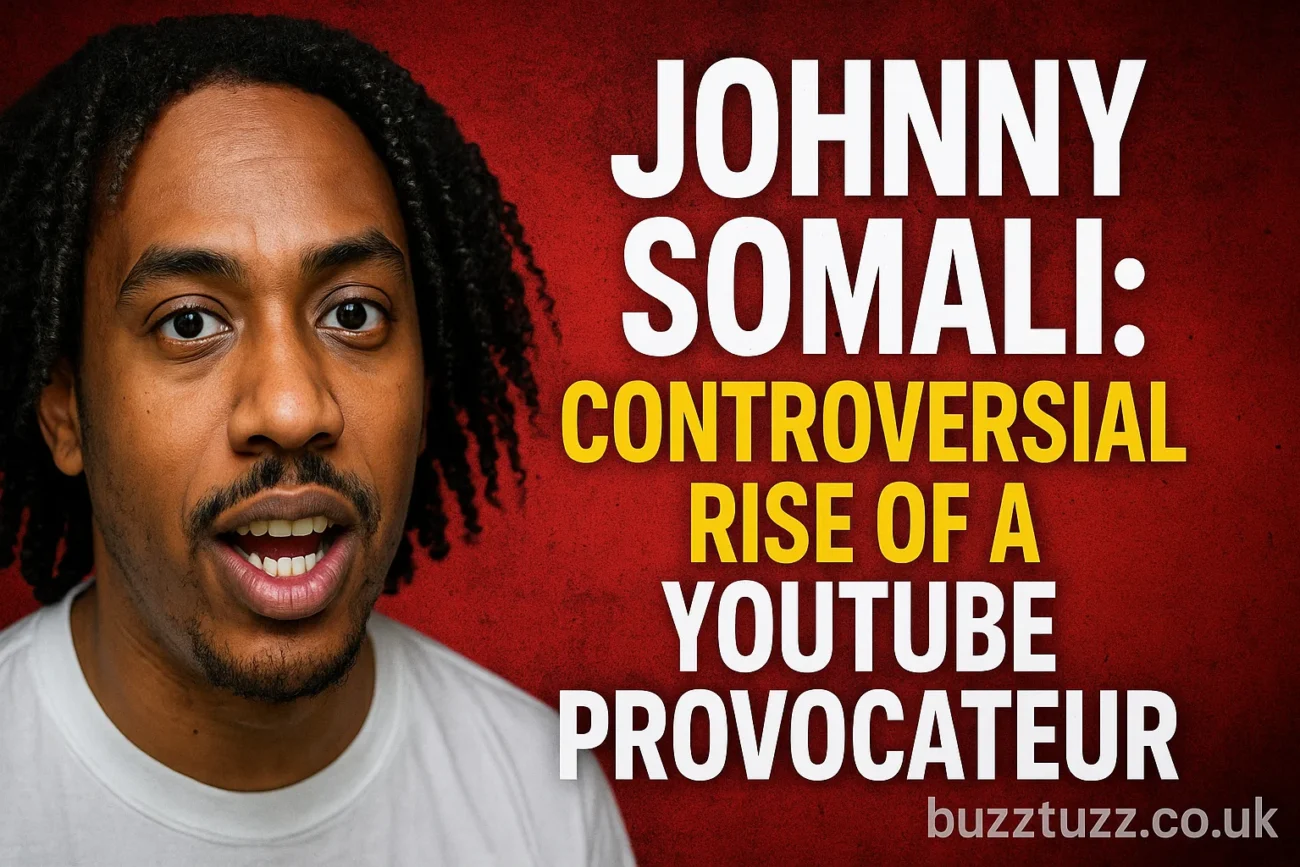
In the ever-evolving world of social media, figures can go viral overnight—sometimes for the wrong reasons. Johnny Somali, a controversial online personality, has found himself at the center of heated debates and global headlines. Known primarily for his YouTube and TikTok antics, Johnny Somali has drawn international attention due to his provocative behavior, especially in Japan. This article explores the background of Johnny Somali, the nature of his content, the legal and social backlash he has faced, and what his rise means for the broader landscape of internet culture and accountability.
The Origins of Johnny Somali
Johnny Somali, whose real name is believed to be Jay Abdi, is an American content creator of Somali descent. Little is publicly known about his early life or educational background. He began gaining attention through YouTube and TikTok, platforms where humor, controversy, and sensationalism often fuel rapid growth.
Somali initially built a following by engaging in confrontational and often culturally insensitive behavior. His content typically features him provoking individuals, particularly in foreign countries, which has sparked widespread backlash.
Viral Moments and Public Reactions
One of Johnny Somali’s most infamous episodes occurred in Japan, where he recorded videos shouting offensive remarks in public places such as trains, streets, and restaurants. These videos were widely condemned for displaying racism and disrespect toward Japanese people and their culture.
As his content went viral, criticism came not just from internet users but also from Japanese authorities and international observers. Hashtags like #DeportJohnnySomali trended across platforms, and calls for accountability grew louder.
Legal Troubles in Japan
In late 2023, Johnny Somali’s online behavior led to real-world consequences. Japanese police arrested him in Osaka after he repeatedly filmed disruptive stunts in public areas, including shouting racial slurs and refusing to comply with police orders. He was charged with violating nuisance prevention laws and obstructing police duties.
These incidents raised discussions about how foreign nationals behave in Japan and the legal frameworks in place to manage public order disruptions caused by tourists or expatriates.
The Role of Social Media Platforms
YouTube and TikTok, where Johnny Somali built his platform, faced pressure to address the dissemination of harmful and inflammatory content. Critics argue that these platforms often fail to regulate such behavior until public pressure forces them to act. In Johnny Somali’s case, multiple videos remained online for weeks before being taken down, even after accumulating millions of views.
This raises broader questions: Are social media platforms doing enough to police harmful content? Should there be stricter consequences for creators who repeatedly violate community standards?
Cultural Insensitivity and the Digital Age
Johnny Somali’s content epitomizes the dangers of prioritizing virality over respect and integrity. In the digital era, some creators adopt shock tactics to garner attention and monetize controversy. But when these antics cross ethical and legal lines, they no longer remain just “content.”
Cultural insensitivity, especially when weaponized for views, has real-world impacts. It undermines intercultural relations, promotes xenophobia, and often leads to dangerous generalizations that can affect entire communities.
Backlash from the Global Community
While Johnny Somali has his share of followers, the overwhelming global sentiment is one of condemnation. Social media users from around the world have united in criticizing his behavior, with many calling for bans, deportation, or even prosecution.
Japanese citizens and foreign tourists alike expressed outrage over his public disturbances. Some even launched petitions urging platforms and governments to take stronger action.
Freedom of Expression vs. Hate Speech
One of the central debates surrounding Johnny Somali is where to draw the line between freedom of expression and hate speech. While creators have the right to express themselves, this right is not absolute—especially when it infringes on others’ rights or promotes harmful stereotypes.
Experts in digital law and human rights have weighed in, pointing out that international laws protect against racial hatred and incitement to violence. In this context, Johnny Somali’s actions could be seen not merely as distasteful but as legally actionable.
Impact on Content Creator Culture
Johnny Somali’s rise and subsequent fall serve as a cautionary tale for content creators. In a saturated market, the pressure to stand out can lead some to embrace increasingly extreme behaviors. But as this case shows, there are limits to what audiences and societies will tolerate.
For aspiring influencers, the takeaway is clear: Build a platform on value, not provocation. Lasting success in the digital world comes not from shock value, but from authentic, respectful engagement.
Influencer Responsibility in a Globalized World
Today’s influencers often have global audiences, which brings with it a responsibility to act with cultural sensitivity. The internet has made the world more interconnected than ever, and creators must be mindful of how their messages resonate across different cultures.
Johnny Somali’s disregard for this principle highlights the urgent need for educational resources and ethical guidelines in the influencer ecosystem. Brands, platforms, and communities should work together to establish standards that promote positive, inclusive content.
The Role of Accountability and Redemption
Accountability is crucial—not just from platforms and law enforcement, but also from the creators themselves. After facing widespread condemnation and legal consequences, Johnny Somali has made sporadic attempts to explain or justify his actions, but these have largely been met with skepticism.
Public redemption is possible, but it requires genuine remorse, a change in behavior, and efforts to make amends. So far, it remains unclear whether Johnny Somali is willing—or able—to take that path.
What Comes Next for Johnny Somali?
As of mid-2025, Johnny Somali’s online presence has dwindled. With multiple bans, public backlash, and legal troubles behind him, his future as a content creator is uncertain. While some personalities bounce back after controversies, others fade into obscurity.
If he hopes to remain relevant, he will need to rebrand dramatically and demonstrate real personal growth. The internet can be forgiving—but only when there’s evidence of change.
Lessons for Viewers and Platforms Alike
The Johnny Somali case underscores the importance of critical media consumption. Viewers must consider the impact of their engagement. Clicking, liking, and sharing controversial content—even in outrage—can fuel its spread.
Platforms, on the other hand, must refine their algorithms and community standards to prevent hate-filled or harmful content from going viral. Early intervention and consistent enforcement are essential.
Conclusion: A Turning Point in the Age of Viral Accountability
Johnny Somali’s controversial rise and fall illuminate the darker sides of internet fame. His story is a cautionary tale for both content creators and consumers. As digital platforms continue to evolve, so too must the standards we uphold for those who use them.
In an interconnected world, respect, accountability, and cultural sensitivity are no longer optional—they’re essential. Whether Johnny Somali fades from memory or makes a return, the broader lessons from his story will remain relevant for years to come.
