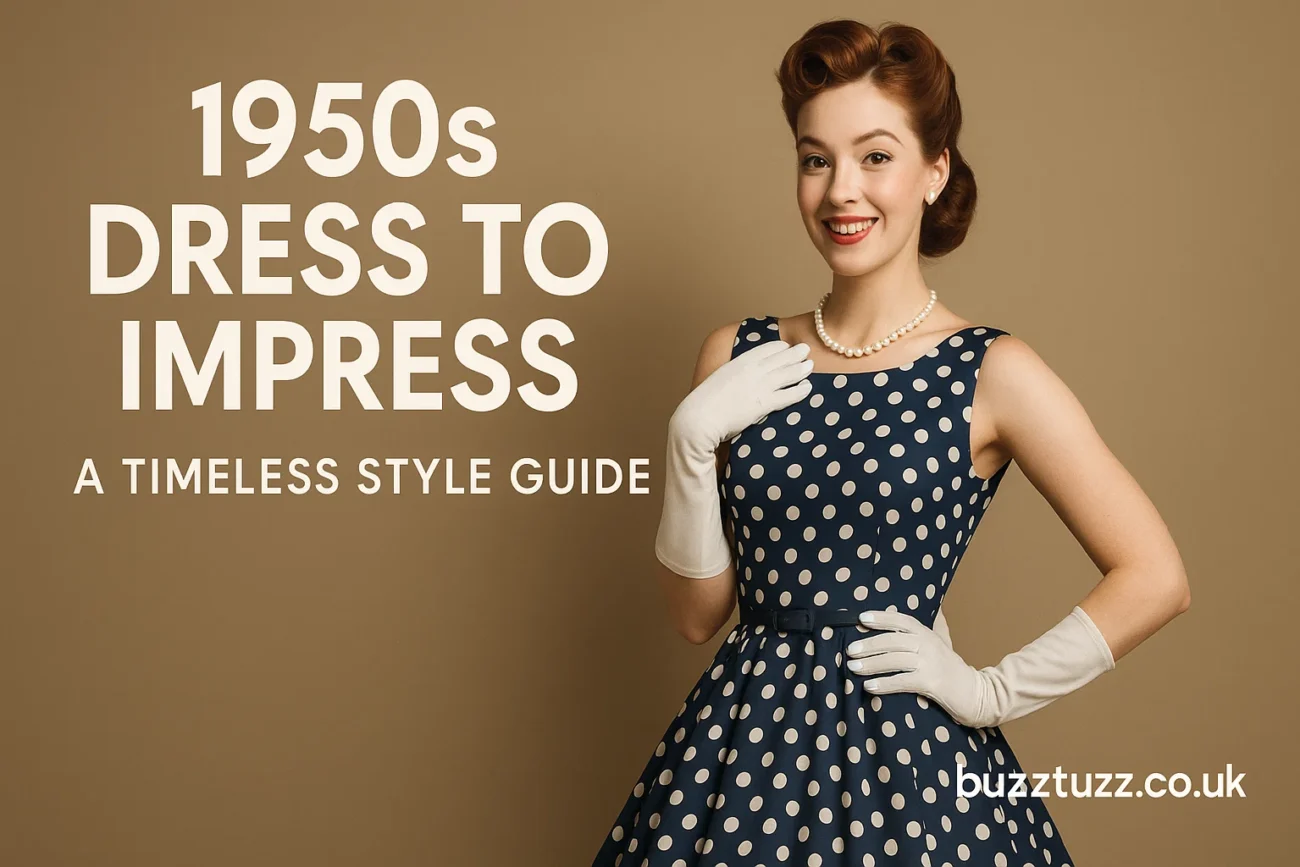
The 1950s were a revolutionary era for fashion, defined by elegance, structure, and a renewed appreciation for femininity following the hardships of World War II. The phrase “1950s dress to impress” isn’t just a nostalgic nod—it’s a stylistic philosophy rooted in dignity, detail, and deliberate presentation. This article dives deep into the iconic looks, accessories, designers, and cultural movements that shaped the decade’s unforgettable style, providing fashion enthusiasts, historians, and modern trendsetters with a rich and practical guide to 1950s fashion.
The Cultural Influence Behind 1950s Fashion
The 1950s marked a return to opulence and traditional gender roles. With economic stability rising in the U.S. and parts of Europe, people had more disposable income and time to invest in their appearance. Women’s fashion became a symbol of societal norms—emphasizing modesty, elegance, and an idealized hourglass figure.
Television, Hollywood, and magazines like Vogue and Harper’s Bazaar influenced what was considered stylish. Stars like Audrey Hepburn, Grace Kelly, and Marilyn Monroe became fashion icons, immortalizing looks that blended sophistication with allure.
The Christian Dior Revolution: The New Look
When Christian Dior unveiled the “New Look” in 1947, it redefined the fashion landscape for the coming decade. The New Look emphasized:
- Cinched waists
- Full, voluminous skirts
- Soft shoulders
- Mid-calf hemlines
It was a radical departure from wartime austerity and marked a return to femininity and luxury. This silhouette dominated the 1950s, becoming the archetype of the “dress to impress” aesthetic.
Iconic 1950s Dress Styles
Swing Dresses
The swing dress is perhaps the most iconic 1950s look. Fitted at the bodice and flaring out at the waist, this style was often paired with petticoats to create maximum volume. Popular patterns included polka dots, florals, and plaids.
Pencil Dresses
For a more sultry, body-hugging silhouette, pencil dresses offered sophistication and allure. Often worn in solid colors with tailored seams, they were perfect for evening wear or office attire.
Shirtwaist Dresses
Inspired by men’s dress shirts, shirtwaist dresses featured button-down fronts, collars, and sleeves. They were practical, stylish, and a staple for the everyday woman balancing elegance with functionality.
Key Fabrics and Patterns
1950s dresses were made from a range of materials that reflected post-war affluence:
- Cotton (for casual, everyday wear)
- Silk and satin (for formal dresses)
- Tulle and organza (for special occasions)
Popular patterns included:
- Polka dots
- Gingham
- Stripes
- Bold florals
Essential 1950s Accessories to Complete the Look
Gloves
An essential part of a polished 1950s outfit. Gloves ranged from wrist-length for daywear to opera-length for evening affairs.
Hats
From structured pillbox hats to wide-brimmed sun hats, headwear added sophistication and flair.
Handbags
Boxy, structured handbags in leather or patent finishes were common. Most had short handles and clasp closures.
Pearls and Jewelry
Pearl necklaces and clip-on earrings were go-to choices for elegance. Brooches added a personalized touch.
Belts
A cinched waist was essential. Belts in matching or contrasting colors accentuated hourglass figures.
Shoes
Kitten heels, saddle shoes, and peep-toe pumps completed the look. Shoes were often coordinated with handbags or belts.
Hair and Makeup Trends of the Era
Hairstyles
Short, curled hair was in vogue. Popular styles included:
- Victory rolls
- Poodle cuts
- The Italian cut (popularized by Sophia Loren)
Makeup
Makeup emphasized femininity and softness:
- Flawless matte skin
- Defined brows
- Winged eyeliner
- Red or pink lipstick
Men’s Fashion: Dressing to Impress in the 1950s
While the 1950s style is often associated with women’s fashion, men also embraced a sharp, tailored aesthetic:
- Slim-fit suits with narrow lapels
- Fedora hats
- Oxford shoes
- Button-down shirts with ties, often in pastel colors or subtle patterns
The “Ivy League look” became popular among younger men, featuring cardigans, loafers, and chinos.
The Role of Department Stores and Catalogs
The 1950s saw the rise of mass-market fashion. Department stores like Macy’s and Sears offered ready-to-wear lines inspired by haute couture. Women could now access fashionable garments affordably, which helped democratize the idea of “dressing to impress.”
Modern Revivals: 1950s Fashion Today
The influence of 1950s fashion is still alive in:
- Bridal fashion (tea-length dresses, lace, and tulle)
- Rockabilly and pin-up subcultures
- Retro-inspired collections by designers like Dolce & Gabbana, Vivienne Westwood, and Carolina Herrera
Vintage shops, thrift stores, and online platforms like Etsy have made it easier to incorporate authentic or replica 1950s fashion into a modern wardrobe.
Tips for Incorporating 1950s Style Today
- Start with a statement piece like a swing dress or high-waisted skirt.
- Pair it with a fitted cardigan or blouse.
- Accessorize with vintage-inspired gloves, a belt, or a hat.
- Use modern fabrics for comfort but stick to classic silhouettes.
- Keep hair and makeup retro to complete the look.
Conclusion: Why the 1950s Dress to Impress Philosophy Still Matters
The “1950s dress to impress” ethos goes beyond clothes—it’s about confidence, presentation, and taking pride in one’s appearance. In an age dominated by casual and fast fashion, revisiting the elegance and intention behind 1950s style can inspire a deeper connection to personal aesthetics.
Whether you’re donning a vintage swing dress for a themed event or subtly integrating the structured beauty of the era into your daily wear, this fashion philosophy remains timeless.
