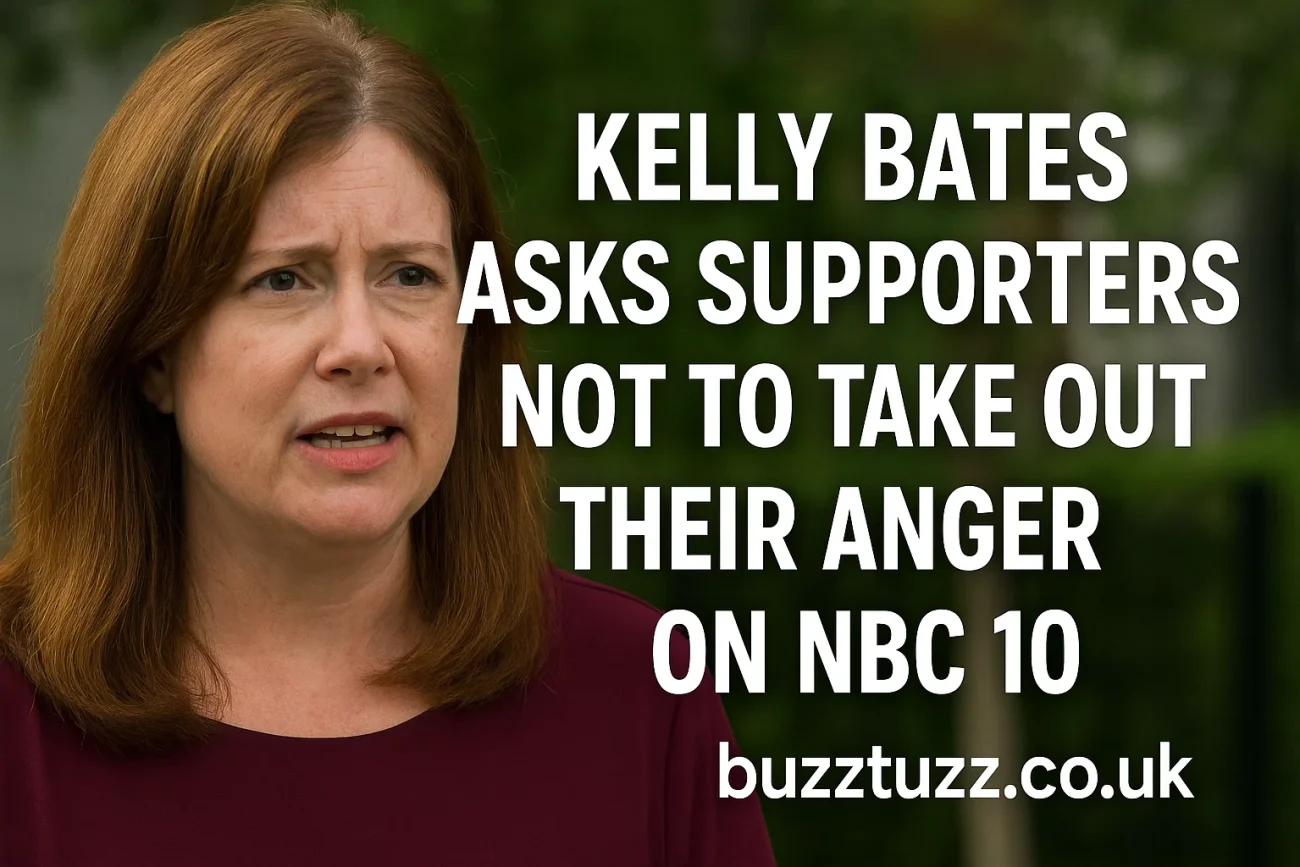
In the tightly-knit world of Rhode Island broadcasting, meteorologist Kelly Bates has been more than a familiar face—she’s been a trusted source of information and a comforting presence in living rooms for over 20 years. So, when news broke of her sudden departure from NBC 10 (WJAR) in 2021, the reaction from viewers was swift and emotional. Many fans were outraged, directing their anger squarely at the station. However, in a display of grace and professionalism, Kelly Bates asked supporters not to take out their anger on NBC 10, showing immense poise during a moment of significant personal and public upheaval.
This article explores the circumstances surrounding her exit, the public’s powerful reaction, Bates’ dignified response, and the larger implications for media ethics, viewer relationships, and the future of trusted journalism in the digital era.
Kelly Bates: A Meteorologist Who Became a Household Name
Kelly Bates joined NBC 10 in the late 1990s and quickly earned a reputation for accurate forecasts, clear communication, and genuine compassion. Whether it was hurricane warnings, nor’easters, or sunny holiday weekends, Bates delivered forecasts that people trusted. Over the years, she became more than a weather expert—she became a staple of Rhode Island life. Her loyal viewership saw her as a reliable figure during both stormy forecasts and uncertain times.
The Shocking Exit and Emotional Fallout
In September 2021, Bates revealed that NBC 10 had chosen not to renew her contract. There was no public explanation from the station, and the decision blindsided many longtime viewers. Social media quickly flooded with support for Bates and anger at NBC 10. Hashtags supporting her trended locally, and petitions emerged urging the station to reconsider. It was a deeply emotional moment for a community that had come to depend on her.
Kelly Bates Asks Supporters Not to Take Out Their Anger on NBC 10 …
Amidst the uproar, Kelly Bates demonstrated her trademark grace. In a social media post that struck a chord across the region, she said: “Please don’t take out your anger on NBC 10.” This powerful plea encapsulated her deep respect for her colleagues, the station, and the institution of journalism itself. Rather than fan the flames of frustration, Bates encouraged dialogue, understanding, and composure.
Her message quickly went viral, garnering hundreds of shares, likes, and supportive comments. It also became the defining moment of her departure—an act of leadership and emotional intelligence that turned conflict into reflection.
Why Bates’ Message Mattered
Bates’ statement was more than a plea—it was a strategic move to preserve professional integrity and protect the broader community of journalists still working at NBC 10. Many of them, still employed by the station, were caught in the crossfire of public outrage. Bates’ insistence on civility reminded supporters that the actions of a few decision-makers should not be conflated with the efforts of an entire newsroom.
Her appeal resonated deeply because it reinforced values increasingly rare in contentious public discourse: empathy, restraint, and community.
Public Reaction: From Anger to Advocacy
The public’s initial reaction was one of grief and betrayal. Online forums, Facebook groups, and local news comment sections overflowed with messages of disbelief. For many, Bates’ absence was personal—she’d guided them through storms, celebrated holidays, and connected during difficult times like the COVID-19 pandemic.
However, as her statement circulated, a shift occurred. Instead of directing hostility at NBC 10, many supporters turned their energy into celebrating Bates’ contributions. Fan-led pages shared highlights of her career, organized community appreciation events, and even started initiatives promoting civility in media discourse.
NBC 10’s Silence and the Impact on Trust
NBC 10 never publicly explained the reasoning behind the decision not to renew Bates’ contract. While likely due to corporate policy or legal constraints, the lack of transparency harmed the station’s relationship with its audience. Viewers, left without answers, filled the void with speculation. The station’s perceived silence contributed to a dip in public trust, as documented in multiple viewer surveys conducted by local media outlets.
Media transparency experts say the situation could have been handled differently. According to Dr. Lauren Martin, a journalism professor at Boston University, “Even a general statement acknowledging a viewer’s emotional connection to a long-standing personality would have helped soften the impact.”
Kelly Bates’ Enduring Legacy
Despite the professional setback, Bates’ legacy in Rhode Island remains intact and stronger than ever. She has since made guest appearances on local news outlets, spoken at community events, and expanded her digital presence. Her humility and sincerity have only amplified her influence.
She’s also used this transitional period to advocate for greater mental health awareness, work-life balance in journalism, and respect for veteran broadcasters—issues that impact many in the industry.
Media Accountability and Viewer Expectations in the Social Era
The entire saga highlighted how social media has changed the dynamic between news organizations and their audiences. Gone are the days when viewers passively accepted anchor changes without question. Today’s audience demands transparency, and when they don’t receive it, they organize, protest, and advocate.
Stations must now treat viewer relationships with the same level of strategy and care as they do advertising and programming. Failure to communicate meaningfully can result in lasting brand damage, as evidenced in this case.
Industry Lessons: Navigating Anchor Departures with Dignity
Kelly Bates’ story is not unique. Across the country, seasoned journalists and meteorologists are being replaced or rotated due to budget cuts, rebranding, or shifting demographics. But how these transitions are managed makes all the difference.
Key lessons for media outlets include:
- Communicate proactively: Even if limited by HR policies, provide basic, empathetic statements.
- Support exiting talent: Honor their contributions with respect and a dignified send-off.
- Respect audience intelligence: Viewers notice when something is amiss. Don’t ignore them.
What’s Next for Kelly Bates?
In interviews, Bates has hinted at launching a weather education platform or expanding into podcasting. Her fans have expressed overwhelming support for whatever direction she chooses. With over two decades of experience and an engaged audience, her potential is vast. Whether in broadcasting, science education, or public speaking, Bates’ next chapter is already building momentum.
Conclusion: Grace Amid Controversy
The keyword “kelly bates asks supporters not to take out their anger on nbc 10 …” tells the story of more than a broadcaster’s departure—it reflects a masterclass in leadership, dignity, and human connection. Kelly Bates turned a painful moment into a teaching opportunity, proving that grace under pressure still matters.
Her handling of the situation has elevated her reputation, inspired public dialogue, and provided a valuable blueprint for media professionals navigating similar circumstances. As media becomes more intertwined with public identity and emotion, Bates’ response is a reminder of how powerful a calm voice can be.
